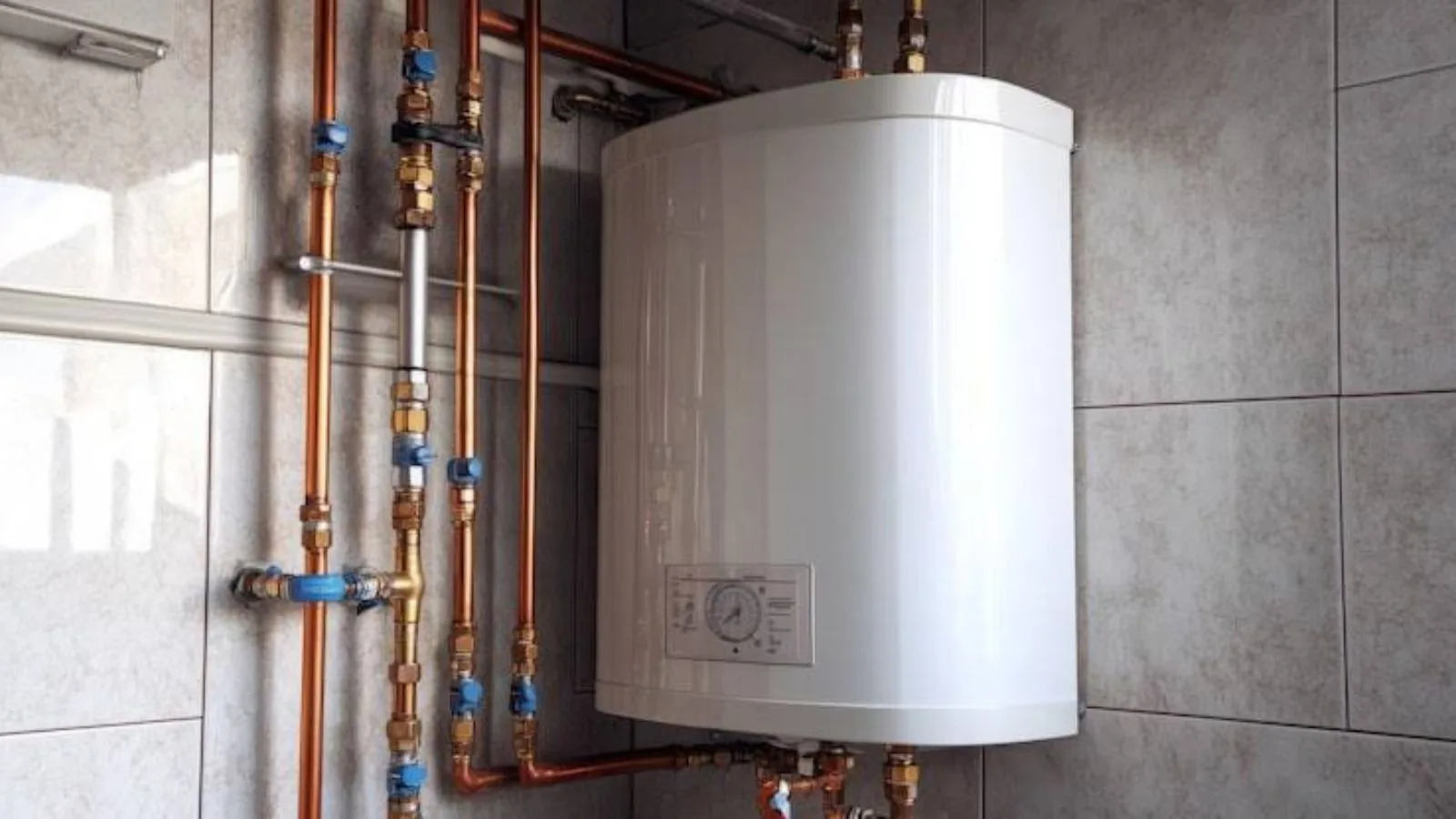
Emergency Water Heater Leak Cleanup in Sachse, TX
A failing tank can empty dozens of gallons onto a floor, and an attic unit can drop it through a ceiling. We answer 24/7 to extract the water and dry what it reached.
A water heater leak is a quiet emergency. The tank sits in a garage, a closet or an attic and runs every day, so a leak can build before anyone notices. When a seam or fitting finally gives way, a tank can release a large volume of water in a short time.
This page covers cleanup after the heater leaks. If the cause was a split pipe somewhere else in the house, our burst pipe water damage page applies instead.
How water heaters leak in Sachse homes
Tank heaters wear out from the inside. The North Texas Municipal Water District, which supplies Sachse, reported a hardness of 96 to 200 parts per million in its 2025 water report. Hard water leaves mineral scale that builds up as sediment in the bottom of a tank, which can speed corrosion near the base.
Leaks also come from the temperature and pressure relief valve, the drain valve, the supply connectors and the pan drain. Attic installations send the water through insulation and a ceiling below, so a stain on an upstairs ceiling can trace back to a heater.
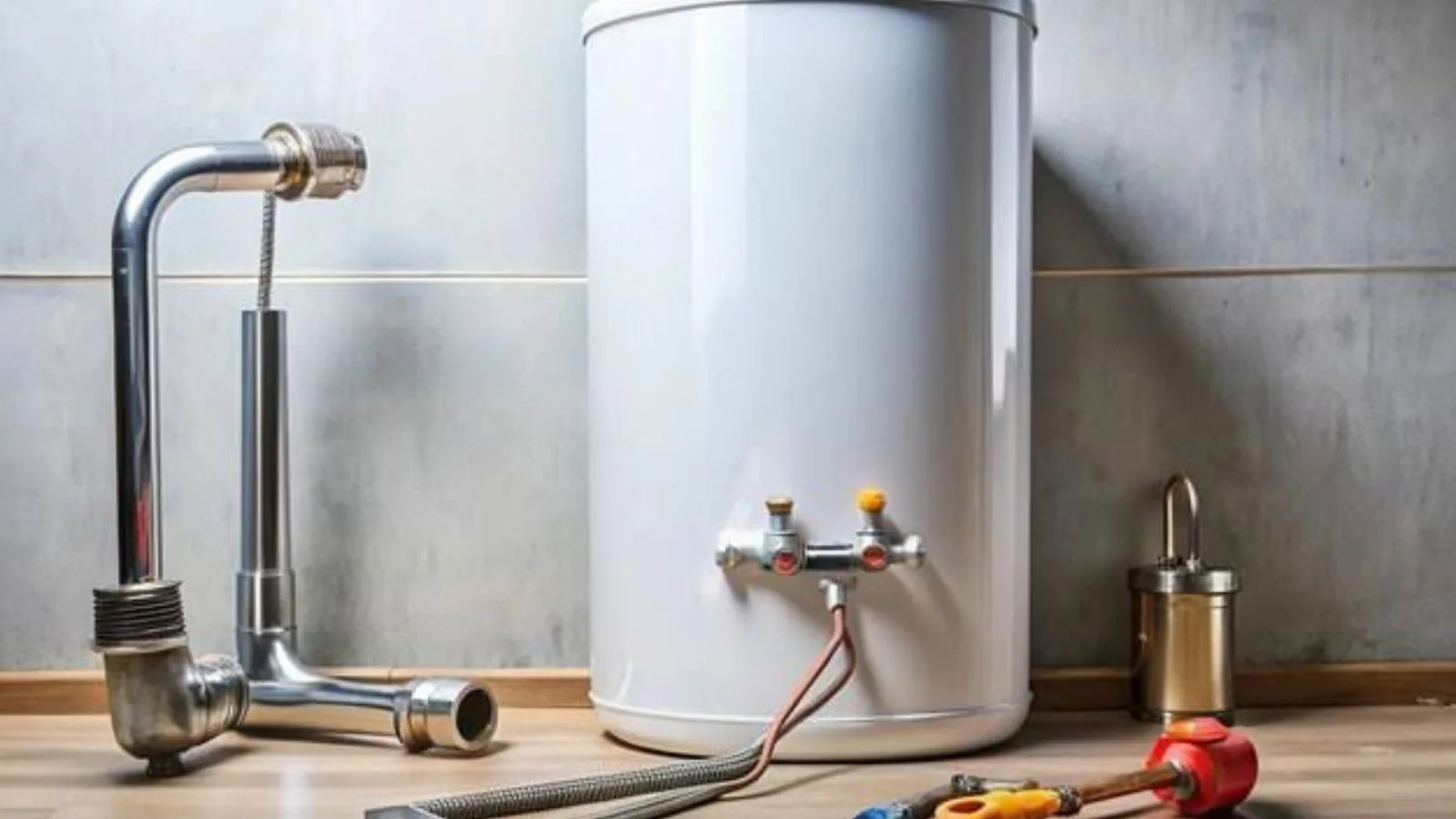
What you see and what it means
- Water pooling around the base of the tank. The tank body or a lower fitting is leaking.
- A damp spot on a wall behind the heater. A connection or the relief line is dripping.
- A ceiling stain below an attic unit. The pan or drain line is not carrying the water away.
- Rust-colored water or rust at fittings. Corrosion has reached the metal and leaks usually follow.
- A constant trickle from the relief pipe. Pressure or temperature is too high, and a plumber should check it.
First-hour safety steps
- Close the cold supply valve on top of the tank.
- Switch off the electric breaker if the panel is dry, or set a gas control to off.
- Leave for fresh air and call 911 or the gas utility if you smell gas.
- Do not touch wet outlets or cords. Call 911 or the electric utility for any electrical risk.
- Call a plumber and our line. The plumber handles the heater, and we handle the water.
- Photograph the heater, the label and the wet areas. Insurers may ask for the age and model.
How we handle water heater leaks
A technician maps the water with moisture meters and a thermal imaging camera, since heaters often sit against walls and cabinets. Standing water is removed with portable extractors and wet vacuums. Baseboards may come off so the wall bases can dry.
Air movers and low-grain refrigerant dehumidifiers then run until readings match a dry reference. If the heater was in an attic, ceiling drywall and insulation below may have to be opened. The reference for this work is the ANSI/IICRC S500 standard for water damage restoration.
What changes the cost
The location of the heater, how much water spread, what the floor is made of, whether it reached a wall or ceiling and how long it ran all change the work. Garage slabs dry faster than carpet or hardwood, and an attic leak adds ceiling work.
A technician explains scope and price before work starts.
Water heater leaks and your insurance
The Texas Department of Insurance explains that standard homeowners coverage often responds to sudden and accidental water damage and generally excludes gradual leaks. A tank that fails all at once is usually treated as sudden, while slow seepage over time may be treated as wear.
Policies differ on the cost of the heater itself. Keep the old unit, photos and the plumber's report until the claim is settled.
Mistakes to avoid
- Draining the tank to stop a leak without closing the supply first. More water keeps coming.
- Ignoring a small puddle by the base. It often precedes a larger failure.
- Plugging the relief valve. It is a safety device and a plumber should handle it.
- Skipping the permit step on a replacement. The city requires one.
- Leaving wet carpet or cabinet bases in place. They stay damp and grow odor.
Where we work and what follows
The city water heater requirements page lists a three-quarter inch temperature and pressure relief line that runs with fall to an approved location, so a plumber should check yours. Afterward, water mitigation explains drying and water damage cleanup covers debris and sanitizing. Crews serve Garland and Wylie as well as Sachse.
Frequently asked questions
Yes. Dispatch answers every hour, and crews go out the same day when one is available. No arrival time is promised, since other active jobs and traffic change it.
Shut off the cold supply valve at the heater, turn off power or gas and call (972) 945-2885.
Close the cold water valve on top of the tank. For an electric heater, switch off its breaker if the panel is dry and reachable. For a gas heater, turn the control to off.
If you smell gas, leave the house and call 911 or the gas utility before anything else.
Often, but not always. A leak from a fitting, valve or connection can sometimes be repaired, while a leak from the tank body usually means the tank has failed.
A plumber decides. Our crew handles the water, the damaged flooring and the drying, while the plumber handles the heater.
The City of Sachse water heater requirements page says a permit is required through its SmartGov portal and that the applicant must provide a Master Plumber's License. It also lists a plumbing rough inspection and a building final inspection.
Ask your plumber to confirm the permit steps before work starts.
The city requires a corrosion-resistant pan when a water heater is installed, and the pan drain must be a three-quarter inch line. A pan helps with small leaks and slow drips.
A full tank failure can overflow a pan, so water on the floor around it is still worth a call.
Water spreading right now? Call the 24/7 line
A restoration crew can be sent to Sachse and nearby towns around the clock. Tell dispatch what happened and what you can see.
☎ Call (972) 945-2885