Emergency Storm Water Damage Response in Sachse, TX
Storms push water in from several places at once. We answer 24/7 to dry floors, walls and ceilings after wind, hail and heavy rain across Sachse and nearby towns.
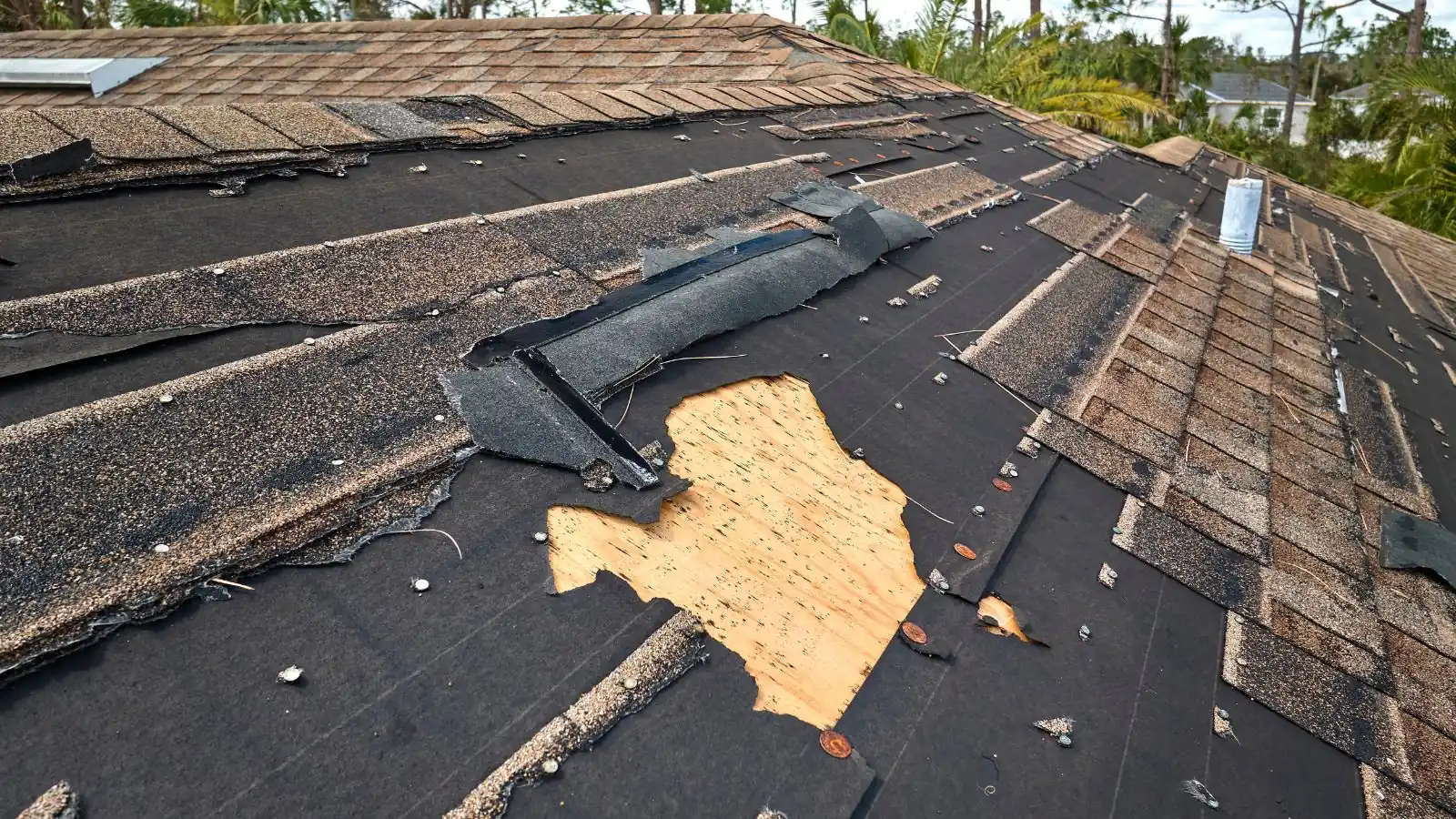
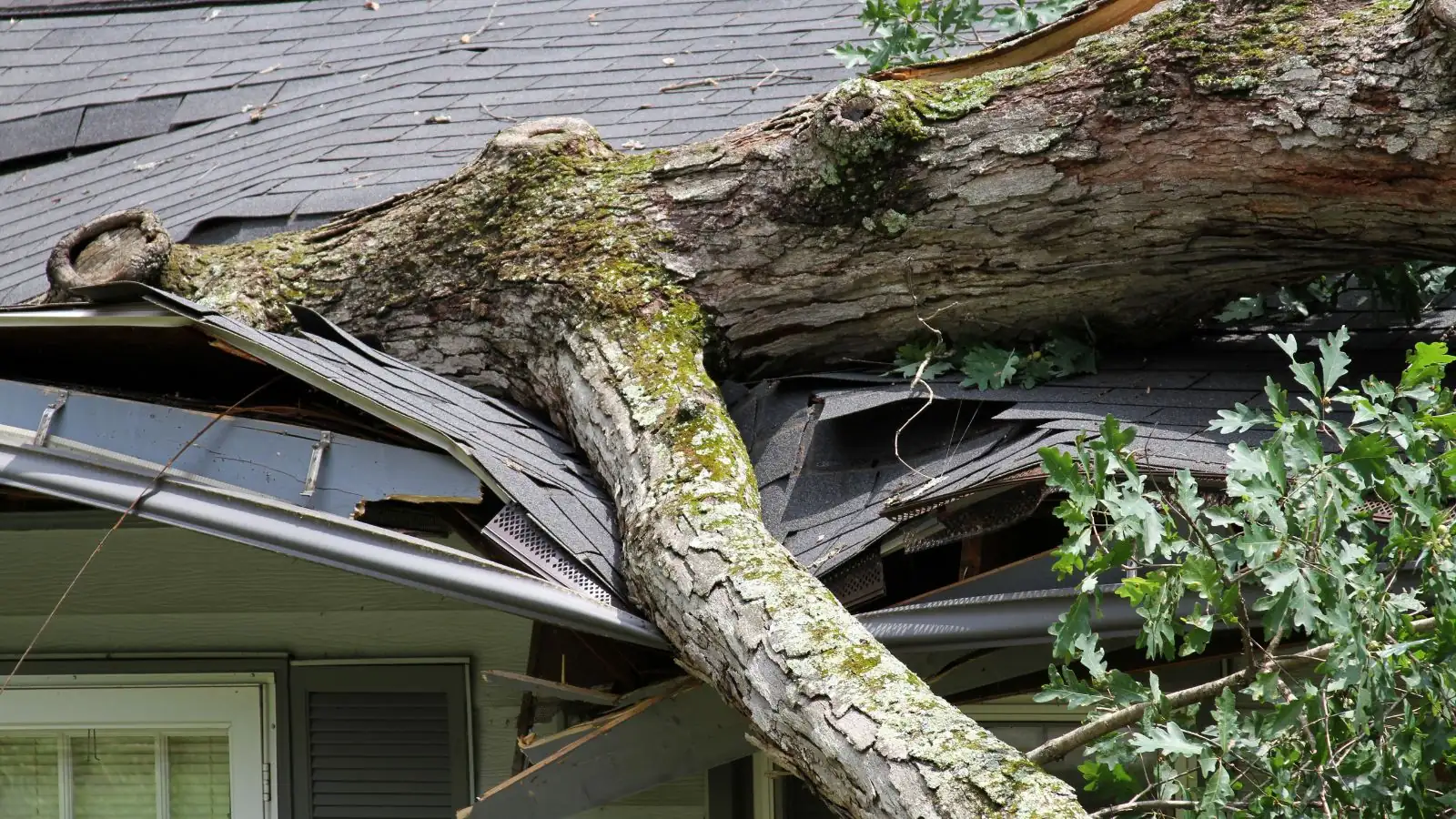
A storm does not leak in one place. Wind pushes rain sideways through window frames and garage doors, hail can open shingles, limbs can crack a roof, and runoff can pool at a threshold. The damage inside can have three or four causes at once.
For a single leak that comes straight from the roof, our roof leak water damage page walks through the attic and ceiling path. This page is for the broader aftermath of a storm.
How storms damage Sachse homes
The National Weather Service normals for DFW show about 37 inches of rain a year, so a hard storm can drop a large share of that quickly. The December 2015 tornado is a reminder that severe weather reaches this area, and the NWS reported an EF-4 track through Sunnyvale, Garland and Rowlett.
Muddy Creek runs through the Sachse area, and USGS lists a drainage area of 28.1 square miles for its gage. Heavy rain upstream can raise the creek and local runoff can pool at low spots.
What you see and what it means
- Water around window sills and door thresholds. Wind-driven rain got past the seals or the ground water reached the entry.
- Wet carpet near an exterior wall. Water traveled along the slab edge or the wall base.
- Ceiling stains in more than one room. The roof may have more than one opening.
- Damp garage walls and a soaked floor. Runoff came in under the door or along the slab.
- A musty smell a day later. Moisture is still trapped in insulation, carpet pad or drywall.
First-hour safety steps
- Wait until lightning and wind have passed before going outside or onto a roof.
- Stay out of rooms where water touches outlets, cords or the panel. Call 911 or the electric utility for electrical risk.
- Watch for downed lines and limbs near the house.
- Cover broken windows or roof openings with a tarp or board if it is safe, or call a contractor.
- Photograph every wet room, damaged roof area and entry point.
- Call our line for the inside work, and your insurer to report the loss.
How we handle storm water
Water type comes first. Rain through a roof and groundwater are not the same, so a technician checks where it entered. Standing water is extracted with portable units and submersible pumps. Moisture meters and a thermal imaging camera find water in walls and ceilings.
Wet carpet pad and insulation are removed when they cannot dry. Air movers and low-grain refrigerant dehumidifiers dry the rest. The reference for the work is the ANSI/IICRC S500 water damage standard, and readings are recorded each visit.
What changes the cost
The number of entry points, the type of water, how long it sat, how many rooms and floors are wet and what the surfaces are made of all change the scope. Contaminated ground water costs more to handle than clean rain through a roof.
A technician explains scope and price first, and drying days follow readings.
Storm damage and your insurance
The Texas Department of Insurance says standard homeowners policies cover sudden wind and hail damage but generally exclude flood from rising water, which needs a separate policy. Rain that enters through a storm-made opening is often treated differently from groundwater.
Document the storm, the roof, the entry points and the interior. If a contractor offers to waive your deductible, know that Texas law prohibits it.
Mistakes to avoid
- Waiting for the adjuster before drying. Insurers expect reasonable steps to prevent further damage.
- Going onto a wet roof. It is dangerous, and a contractor can inspect it safely.
- Using a generator indoors. Exhaust fumes are deadly.
- Throwing out wet items before photographing them.
- Assuming a dry-looking wall is dry. Moisture hides in cavities.
Where we work and what follows
After drying, water mitigation explains how the structure is checked and water damage repair covers the rebuild. Garland has about 2,400 acres of 100-year floodplain according to the city, so Garland addresses may involve ground water. Rowlett covers the lake and storm history on its page.
Frequently asked questions
Yes. The line runs around the clock, and a crew is sent the same day when one is available. After a large storm dispatch may be busy, so no arrival time is promised.
Call (972) 945-2885, keep clear of wet electrical areas and photograph the damage before moving anything.
Not always. Rain that comes through a damaged roof or window is storm damage, while water that rises from the ground or a creek is flood. Insurers treat them differently, and most homeowners policies need a separate flood policy for rising water, according to the Texas Department of Insurance.
Our flood damage restoration page covers rising water.
Rain through the roof starts clean but picks up contaminants from insulation and building materials. Water that came across the ground carries soil, fuel and bacteria and is treated as contaminated.
Wear boots and gloves, and let a technician decide what stays.
Do not use extension cords or generators in standing water. Our crew brings its own power sources and checks for electrical risk before equipment is plugged in.
If the meter or panel is wet, call the utility or 911 before anyone enters the room.
Call as soon as the area is safe. Materials that stay wet for more than a day or two become much harder to save, and the Texas Department of Insurance says mold can begin within a day.
Early photos also help your claim.
Water spreading right now? Call the 24/7 line
A restoration crew can be sent to Sachse and nearby towns around the clock. Tell dispatch what happened and what you can see.
☎ Call (972) 945-2885