Wall and Drywall Water Damage Repair in Sachse, TX
Wet drywall can sometimes dry in place, and sometimes it must come out. We measure the board, the cavity and the insulation, then explain which one applies.
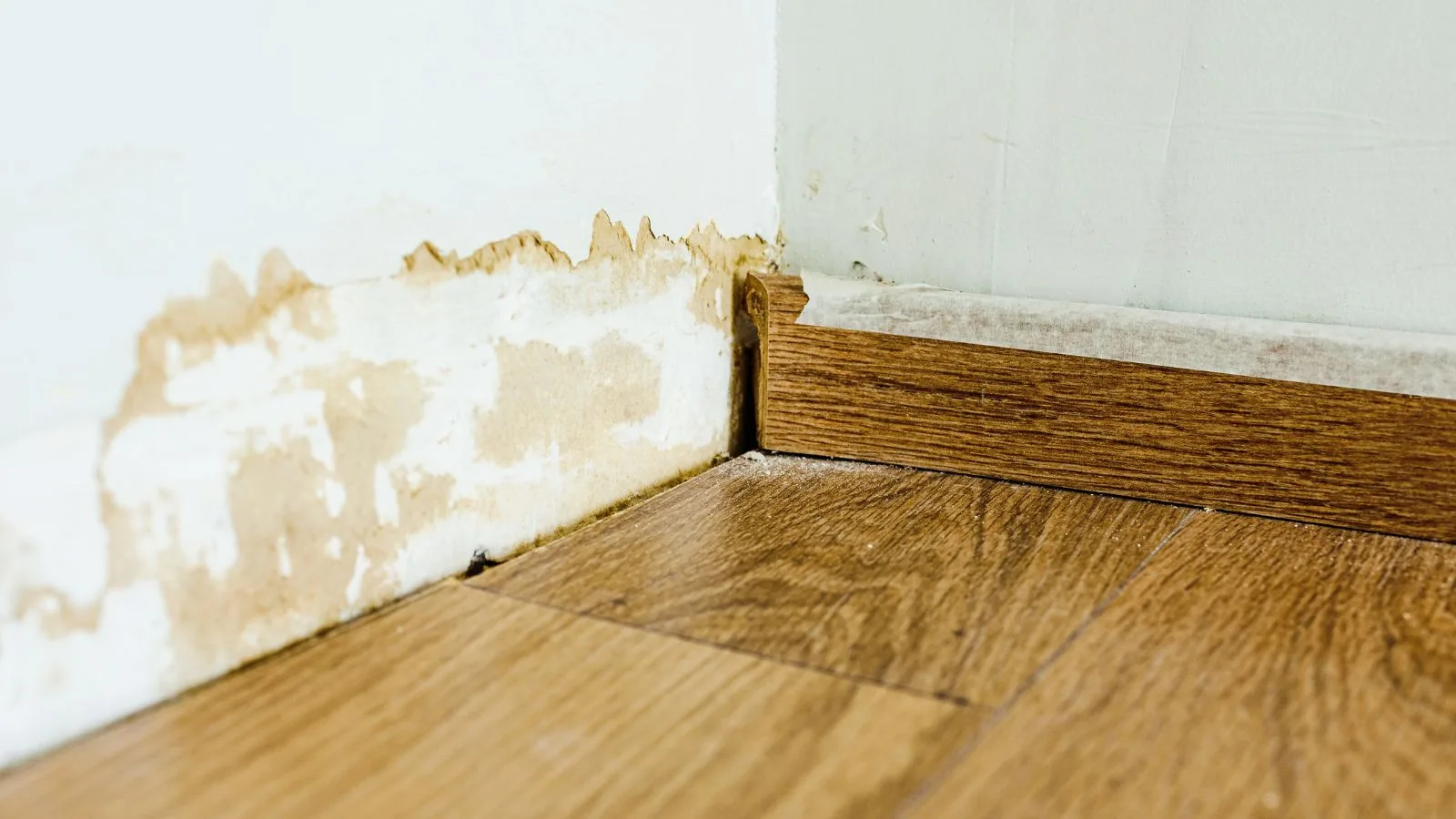
Drywall is paper and gypsum, and water changes both quickly. The paper face weakens, the gypsum softens and the seams loosen. A stain on a wall or ceiling is a sign of something larger behind it, not a cosmetic problem.
If the water also soaked the floor, see our water damaged carpet restoration page. This page covers the walls, ceilings and insulation.
How drywall gets wet in Sachse homes
Roof leaks, supply line failures, AC condensate, plumbing leaks inside a wall and storm water are the usual sources. In a two-story house, a leak upstairs often shows first as a ceiling stain below.
The Census Bureau reports a median owner-occupied home value near $406,200 and about 84.7 percent owner-occupied housing. Wall finishes are a big part of that value, so the question of what can stay matters to most homeowners.
What you see and what it means
- A brown ring on a ceiling. Water has soaked through from above.
- Bubbled or peeling paint. Moisture is pushing the paint off the board.
- Soft drywall that dents with a finger. The board has lost its strength.
- Cracked or open seams. The board has swollen and shrunk.
- A musty smell near a wall. The cavity is damp.
First-hour safety steps
- Stop the source at the shutoff valve, the main or the roof if you can do it safely.
- Keep power off near wet drywall. Call 911 or the electric utility for any electrical risk.
- Do not poke a sagging ceiling. It can drop water and debris at once.
- Place a bucket under a drip and move items away from the wall.
- Wear gloves and a mask if you handle wet board or insulation.
- Photograph the stain and call our line.
How we dry and prepare walls
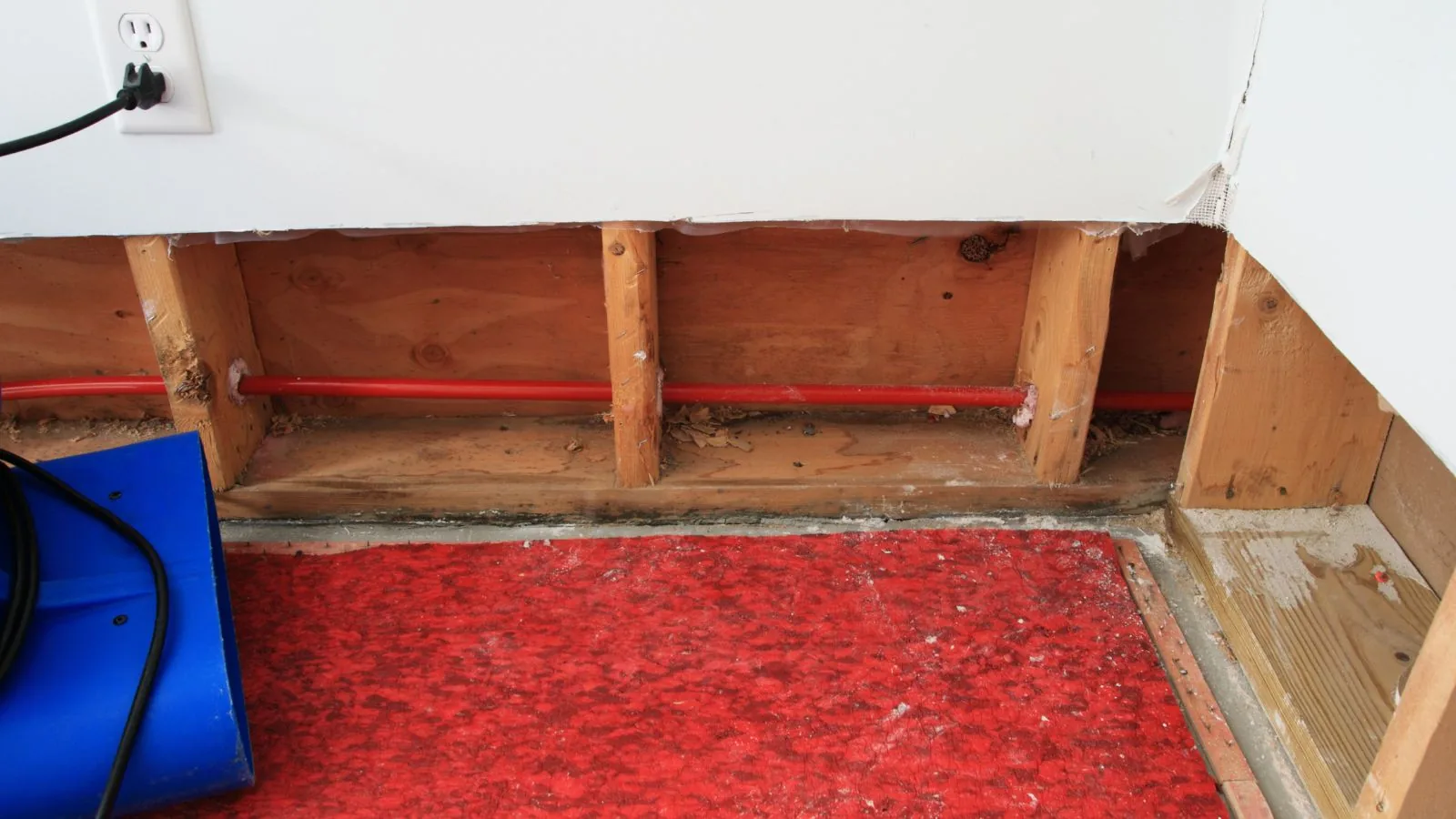
The technician maps moisture with meters and a thermal imaging camera, then checks both sides of the board. Swollen board and wet insulation are cut out in straight lines so repair is simple. Dry board with intact seams may be dried in place.
Air movers and low-grain refrigerant dehumidifiers dry the cavity, and readings confirm it. Then the wall is ready for new board, texture and paint. Drying and cleanup are measured against the ANSI/IICRC S500 water damage standard.
What changes the cost
The area that is wet, whether the board swelled, whether insulation was reached, the ceiling height, how long the water sat and how many days of drying the readings call for all change the job. Ceilings take more time than walls.
Scope and price are laid out for you ahead of any work.
Drywall damage and your insurance
As the Texas Department of Insurance describes it, a sudden and accidental event is generally covered and a slow leak generally is not. A roof or supply line failure is more likely to be sudden, while a slow seep may not be.
Keep photos, readings and the failed part. They show when the problem started.
Mistakes to avoid
- Painting over a stain. The board is still wet and the stain returns.
- Closing the wall before it is dry. Mold can grow in the cavity.
- Leaving wet insulation in place. It holds water against the framing.
- Cutting a large hole without a plan. Straight cuts keep repairs simple.
- Ignoring a small ceiling stain. It often marks a leak that continues.
Where we work and what follows
After drying, water damage repair covers new board, texture and paint and water mitigation explains the measurements. Roof leak water damage covers leaks from above. Crews serve Wylie and Rowlett as well as Sachse ZIP 75048.
Frequently asked questions
Yes. Dispatch runs 24 hours, and we send someone the same day whenever the schedule has room. Timing depends on the day's calls and the roads, so no arrival time is promised.
Stop the source and call (972) 945-2885.
The EPA guidance on water-damaged buildings says wallboard can be dried in place if there is no obvious swelling and the seams are intact. Otherwise it should be removed and replaced.
Moisture readings on both sides of the board decide which applies.
The EPA guidance says to discard and replace fiberglass and cellulose insulation that has gotten wet. The cavity should also be ventilated so it can dry.
A technician opens the wall at the lowest point and checks upward.
The City of Sachse remodel permit page lists work that needs no permit, such as painting and replacing floor tile, and sends other remodel work through the SmartGov portal. It does not mention drywall.
Call Development Services at 469-429-4781 with your scope before you start.
Yes. The Texas Department of Insurance says mold can begin within a day of water damage, and wall cavities stay damp because air cannot reach them.
Texas licensing rules apply to mold work above 25 contiguous square feet, and assessor and remediator must be separate companies.
Water spreading right now? Call the 24/7 line
A restoration crew can be sent to Sachse and nearby towns around the clock. Tell dispatch what happened and what you can see.
☎ Call (972) 945-2885